When potential buyers walk through your home, what catches their attention? Professional home stagers know how to showcase a property's best features, help buyers feel a connection to the space, and remember it long after the showing.
If you're a home seller, learning home staging secrets can help you prep your house for listing. Read these tips and tricks to show off your home’s potential to buyers.
What Are the Best Tips for Staging Your House to Sell?
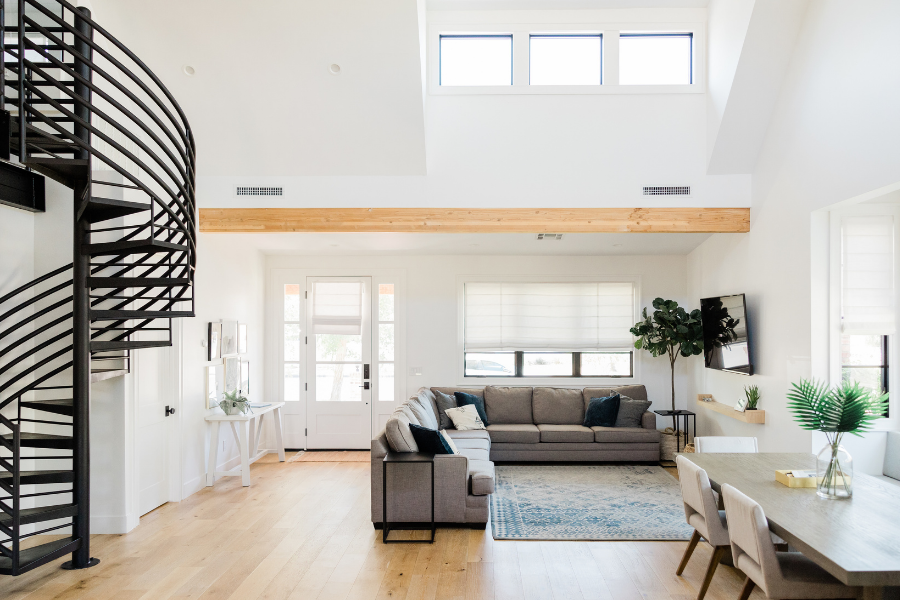
Home buyers often look for three important features in their next purchase:
- Natural light: one of the most requested features.
- Space: great flow and ample square footage.
- Storage: especially in kitchens and bathrooms.
Not every house has all of these qualities to show off, but home stagers know how to make the available space, storage, and light even more prominent. Read on for more ideas.
Make the Most of Your Space
First, any professional stager will adamantly instruct clients to clean out unnecessary items in every room. This includes not only trash and clutter but also oversized furniture and redundant items.
No, they won’t recommend emptying the room to resemble a bowling alley, but they will strategically place carefully chosen furniture to maximize and accentuate the floor space. A home seller might need to rent temporary storage to free up valuable square footage.
Houses with choppy layouts or small rooms benefit from a monochromatic paint scheme to keep the flow of the space united and make the rooms appear larger. Stagers often advise clients to use a cohesive color to avoid distracting the eye with distinct boundaries. If each room is painted differently, it resembles a child’s board game, with separate and distinct colored squares.
Maximize Natural Light
It's essential to show off the natural light throughout the property. Very few buyers will ask for dark rooms, so home stagers recommend replacing heavy window curtains with sheers or other light fabrics to boost the sunlight. Sometimes, they suggest removing them all together.
Another common trick to fool the eye is to raise the height of the treatment rods over the window. Mounted treatments above the window frames give the illusion of higher ceilings and bigger windows because the focus is on the curtains, not the windows themselves.
Window Staging Tips
- Mounted high draperies emphasize in-demand architectural features like crown molding. They can also detract interest from less-than-lovely flooring.
- Take a seat and look out the windows. Check to see if the sight lines lead directly into a neighbor’s yard or, worse, into their bathroom. Choose window coverings that balance natural light with privacy.
- Open blinds, clean windows, and trim landscaping that blocks sunlight. Use lamps to brighten rooms that don't receive much natural light.
Unfortunately, natural light can also reveal a few things homeowners would rather keep hidden. As sunlight streams through the windows and shifts throughout the day, it can highlight dust, fingerprints, cobwebs, and other spots you might have overlooked.
Bright light can also draw attention to uneven paint, visible brush marks, and other painting imperfections. Give your home a thorough cleaning and touch up any problem areas before potential buyers arrive.

Show Off Storage Space
A home without adequate storage is sometimes labeled cozy or quaint, which translates to "creative storage solutions needed."
When staging your house, make closets, cabinets, and other storage areas look organized and functional. Buyers will open these spaces during showings, and overstuffed shelves and closets make storage appear more limited than it actually is.
 Photo from iStock.com/Mariakray
Simple Ways to Organize Storage
- In children’s rooms, organize toys in baskets or bins and clear out overflowing closets.
- Choose furniture that does double duty. Storage ottomans and bedframes with drawers can help keep smaller rooms organized.
- A portable kitchen island can provide additional counter and storage space as long as it doesn't crowd the kitchen.
- Pocket doors can be a remedy for doors that take up too much real estate when opened.
- In closets and pantries, remove excess belongings and organize shelves so buyers can easily see the available storage space.
In any room, consider the placement of rugs or other decorative items. They’re not only there to complete the style. They direct your vision to attractive features, such as a wood-burning fireplace or updated kitchen appliances.
A thoughtfully arranged seating area, for example, can help buyers imagine how they'll use a room. Staging should also photograph well since many buyers will see your property online before visiting in person.
Hiring a seasoned real estate professional is an excellent way to unlock home staging secrets. They can help identify which staging improvements are most likely to appeal to local buyers.
What Home Staging Tasks Belong on Your Home-Selling Checklist?
If you're preparing to list your property, add these home selling tips to your selling-your-home checklist before scheduling photos or showings:
- Declutter and depersonalize. Remove unnecessary items, extra furniture, and personal photos.
- Deep clean. Pay special attention to kitchens, bathrooms, windows, and floors.
- Make minor repairs. Touch up paint, fix dripping faucets, and replace burned-out light bulbs.
- Organize storage. Straighten closets, cabinets, and pantry shelves.
- Improve curb appeal. Mow the lawn, trim landscaping, and tidy the entrance.
- Prepare for showings. Open curtains, clear countertops, put away pet supplies, and address lingering odors.
These relatively simple tasks help you prepare your home without investing in expensive renovations or professional staging services.
Home staging is certainly an advantage for a home seller. If you're learning how to sell your house, remember that the goal of staging isn't to disguise problems. It's to showcase your home's best features and help buyers imagine making it their own.
Want more help for selling your home? Grab our free resource below!