If you own a rental property, there are many reasons why you might want to hire a property manager. Maybe you live a long distance from the property, became an "accidental" landlord, or simply don’t have the time to handle everything from rental property upkeep to tenant background checks. For military homeowners, a PCS or deployment can make professional help especially valuable.
Professional property management can be an excellent solution, but it's not completely hands-off—you’ll need to maintain a communicative, proactive relationship with your manager.
Part of learning how to manage rental property successfully is knowing which responsibilities to delegate while still keeping an eye on your investment. If you’re starting to lose sleep over your manager’s performance, there are some red flags telling you it's time to hire a new property manager.
 Photo by sturti from Getty Images Signature via Canva.com
Signs You May Need a New Property Manager
Every rental property will have occasional problems, from unexpected repairs to late rent. One problem doesn’t necessarily mean you need to replace your property manager. But repeated communication problems, questionable financial reporting, inconsistent tenant screening, or neglected maintenance could mean it's time for a change.
1. Consistently Poor Communication
All business relationships need clear communication to succeed. The relationship between the property owner and the property manager is no exception.
Your property manager is handling rent payments, tenant concerns, maintenance requests, and thousands of dollars on your behalf. You should understand how and when they’ll communicate with you, what requires your approval, and which situations they’re authorized to handle independently.
Set those expectations early and make sure they’re being followed throughout your contract.
Rental Payments
If you’re having trouble communicating about important topics like rent (setting prices, collecting payments, reporting late rent, and accounting for monthly amounts), you might need a new property manager.
Late Rent
The reasons for late rent payments are almost endless. But as the property owner, you probably have a mortgage to pay with at least some of the rent money, so your mind can quickly wander to worst-case scenarios.
Timely rent payments are crucial, and your property manager absolutely should respect your timeline for reporting problems. If the tenant has trouble paying, they should keep you in the loop about their official conversations with the tenant, the plan to make up payments, and any late fees. Your property manager shouldn't let late payments continue for months before discussing the issue with you.
Reduced Rent
If you’ve noticed your standard $3,500 monthly rent payments have been short a month here and there, and you don’t have a direct explanation, your property manager isn’t communicating well. Chances are that some of the rent went toward common expenses like repairs, home warranty fees, or even appliance replacements.
However, you shouldn't have to wonder about reduced rent. Decide on a preferred notification system with your property manager and insist on prompt implementation, whether it's an incident-by-incident text or a monthly email summary of expenses, keeping in mind your annual tax documents and payments.
In many cases, the property management agreement specifies that your property manager has the authority to spend up to a certain dollar amount each month on maintenance and repairs without first consulting you, so make sure you agree on that threshold and when the manager is required to contact you for approval. Long-distance owners, including military homeowners stationed elsewhere, should be especially clear about these limits.
Tenant Selection
Experienced property managers screen renters through multiple means, like a background check for renters and credit inquiries. They may also ask for references from previous landlords. Your property manager should be able to explain the screening process, what criteria are used, and how those standards are applied to applicants.
As a savvy rental business owner, you and your contracted property manager must uphold federal Fair Housing laws. What Homeowners and Landlords Should Understand About the Fair Housing Act explains more about these requirements, but your property manager should know discrimination laws and protected renter classes. If they aren’t, that is a big sign you need a new property manager.
If your property manager can’t clearly explain how applicants are screened or doesn’t appear to apply screening standards consistently, take that seriously.
2. Neglected Property Maintenance
You and your property manager should discuss how they handle property upkeep for rentals. There are multiple ways to make the process work, like setting aside a monthly budget for the property manager to use, or asking them to bring you each repair request, but the agreed-upon process must be clear, and the property manager should follow it every time.
Address problems early in your relationship with your property manager. A slow response to an occasional minor issue might not be cause for concern, but a pattern of ignored maintenance requests, unexplained expenses, or repairs that continually fall through the cracks is different.
You Don’t Receive Repair Documents
Every rental property needs preventative upkeep and repairs, so you should expect to see bills for things like an HVAC annual inspection, monthly pest control, and replacements like a water heater. There will be months you’ll get away without paying extra bills, but over the years, you’ll certainly want to maintain proper upkeep. Otherwise, you’ll pay a much larger price, for example, if a small water leak runs long enough to spread into a mold outbreak.
You should also be able to see invoices or other documentation for work performed on your property. If you routinely see maintenance charges without supporting information—or discover needed repairs that were never addressed—it’s worth asking questions.
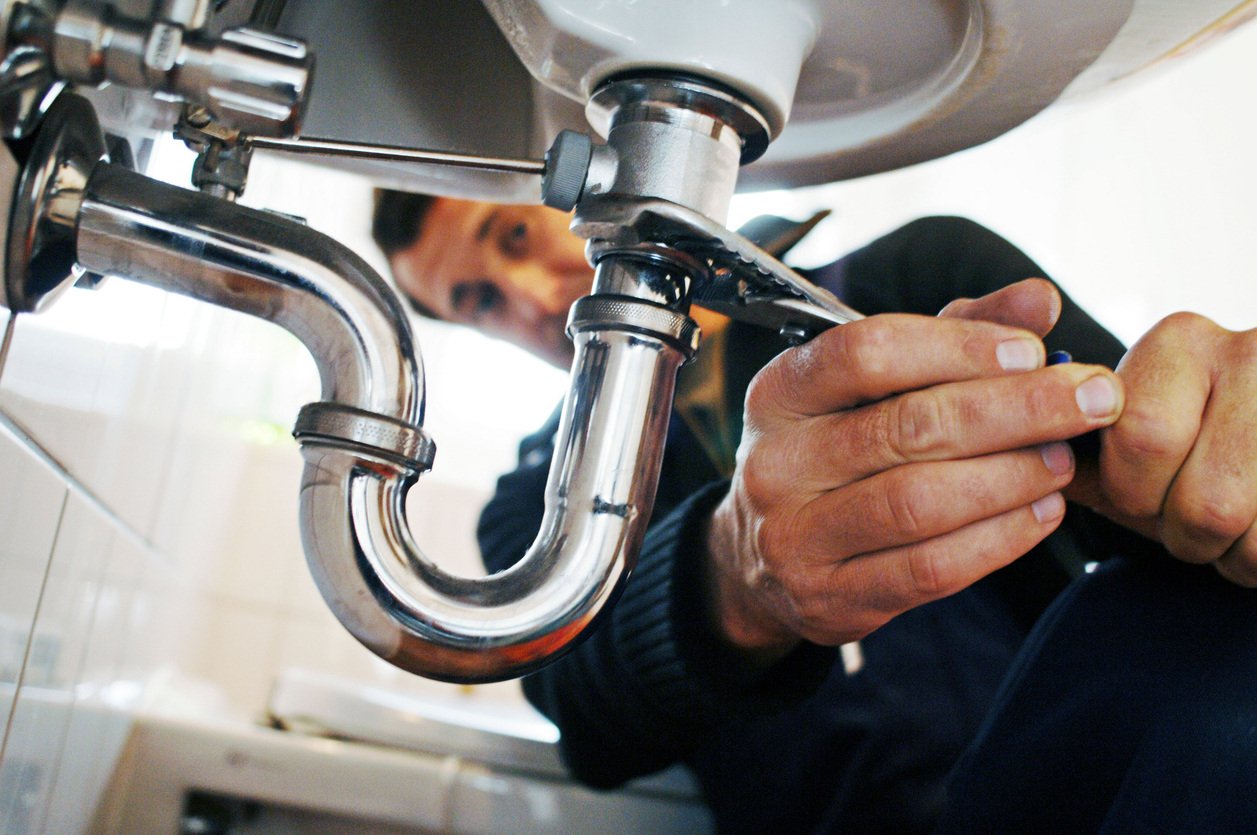 Photo from iStock.com/Wirestock
Your Property Manager Doesn’t Have Relationships With Trusted Professionals
Trusted relationships make property managers successful. Managers know that a cadre of honest tradespeople, such as a reliable plumber, handyman, and electrician, is the key to keeping tenants and property owners happy.
Your property manager should have established relationships with key contractors that keep a property running. Depending on your agreement, they may hire them directly to repair clogged toilets and fix the HVAC, but you can ask for suggestions to explore on your own. If your property manager doesn’t have reliable relationships, they might be inexperienced or difficult to work with.
If they consistently struggle to find qualified help or repairs are repeatedly delayed, it may be another sign that the relationship isn’t working.
3. You’re Constantly Having to Manage the Manager
Hiring a property manager doesn’t mean you’ll never need to make another decision about your rental. You’re still the property owner, and some involvement is expected.
But there’s a difference between staying informed and continually having to remind your manager to follow up with tenants, schedule repairs, send paperwork, explain charges, or respond to your messages.
If managing your property manager is becoming almost as time-consuming as it would be to manage the rental yourself, it's time to reconsider the relationship.
If You Need to Hire a New Property Manager
A dependable property manager can be especially valuable when you own a rental from a distance. Military members can successfully manage a rental property from another duty station, but distance makes clear communication, reliable local contacts, and easy access to financial and maintenance records even more important. The same is true for any long-distance landlord.
If the signs point to the fact that it’s time to hire a new property manager, there are a few strategies to ensure you’re choosing the right professional.
Before making a change, review your current property management agreement. Check the termination requirements, notice period, possible fees, and how documents, security deposits, and keys will be transferred.
Start with Referrals
Always start with referrals if possible, ideally from friends and neighbors in your area who have worked with a property manager. Local real estate agents also likely have leads. If you’re starting from scratch, MilitaryByOwner offers a Business Directory listing local real estate professionals.
Interview Potential Property Managers
Conduct at least two or three interviews to see if the property manager you’ve chosen is a good match. You’ll want to ask about their experience, work radius, interaction with military clients, and payment structure. If you’re a military homeowner or another long-distance landlord, ask about their experience managing properties for owners who don’t live nearby.
After narrowing the list, investigate further the property manager’s style of management. Ask about tenant screening, marketing and advertising, property repairs, and their particular management strategy for handling tricky situations like missed rent.
Top Questions to Ask When Hiring a Property Manager further details the property manager hiring process.
A good property manager makes owning a rental much easier, especially when you don’t live nearby. But hiring someone to manage the property doesn’t mean ignoring what happens with it.
Most of the time, problems arise from poor communication. Make sure you and your property manager are on the same team when it comes to your rental property. Understand your management agreement, discuss your concerns, and if something doesn’t seem right, don’t let your concerns fester; ask for clarification.
If problems become a pattern and your concerns aren’t being addressed, it may be time to find a property manager who gives you more confidence in how your rental is being managed.
Learn more about managing your rental property successfully with our free guide: