Making a PCS move to Alaska? Many military and their families rank an Alaska duty station at the top of their dream sheets, and with good reason. Between the robust quality-of-life programs, stunning scenery, and nearly endless outdoor adventures, Alaska can be an incredible place to live and serve.
Still, if you're preparing for an Alaska PCS, you’ve probably heard a few rumors or half-truths that make you wonder what to really expect. To help you sort fact from fiction, start with our comprehensive guide, What to Know for your Military Move to Alaska, and our blog post on common questions about moving to Alaska.
Now, let’s jump into a few of the most common myths about living in Alaska—and the real facts behind them.
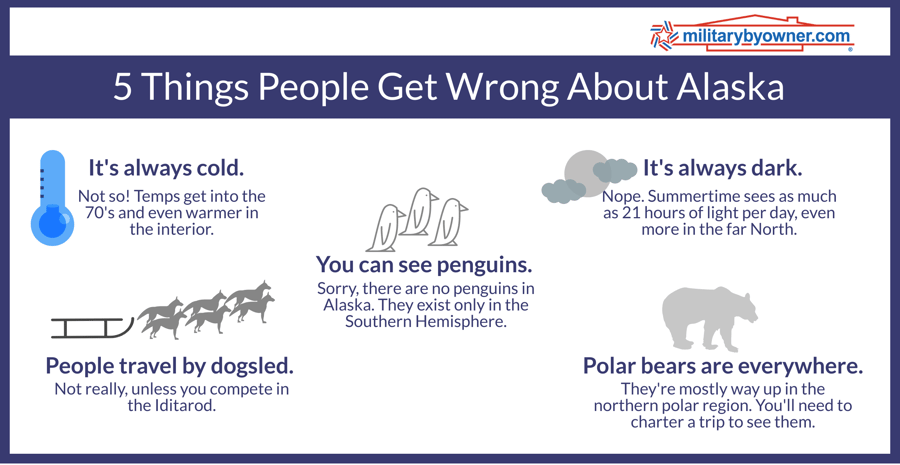
Myth #1: Alaska is always dark during the winter.
You’ve probably heard of the “midnight sun" during the Alaska summertime, so conversely you may expect the Alaska winters to be in complete or near complete darkness.
It’s true that the winter days are shorter, and there are towns above the Artic Circle that experience weeks where the sun never rises above the horizon (although they have a few hours of twilight each day called "polar night"). But if you’re stationed in Anchorage at Joint Base Elmendorf-Richardson, you’ll still have daylight for 5-6 hours even in the shortest days of winter.
Myth #2: You'll see penguins in Alaska.
Despite what you may have heard, you won't encounter penguins waddling across Alaska's snowy landscape. The only penguins you’ll see here would be at a local zoo or aquarium, as penguins are native to the Southern Hemisphere, far away from Alaska.
If you’re out exploring Alaska’s wild places, you might spot bald eagles, puffins, and an incredible array of northern wildlife—but penguins won't be part of the lineup.
Myth #3: Alaska is always cold.
When most people envision Alaska, they immediately think of snowy landscapes. However, Alaska isn't as cold year-round as some people assume.
In January, usually Alaska's coldest month, temperatures in Anchorage average a low of 12°F and high of 24°F. Farther north in locations like Fairbanks, you’ll find much more frigid weather. Fairbanks in mid-January sees an average low of -13°F and high of 3°F. (Weatherspark)
You might find summertime quite pleasant, with temperatures reaching into the upper 70s in Anchorage, and even warmer in the interior regions. The months of May to September in the Fairbanks area have an average daily high temperature above 60°F.
What military bases are near Fairbanks? See our base information pages on:
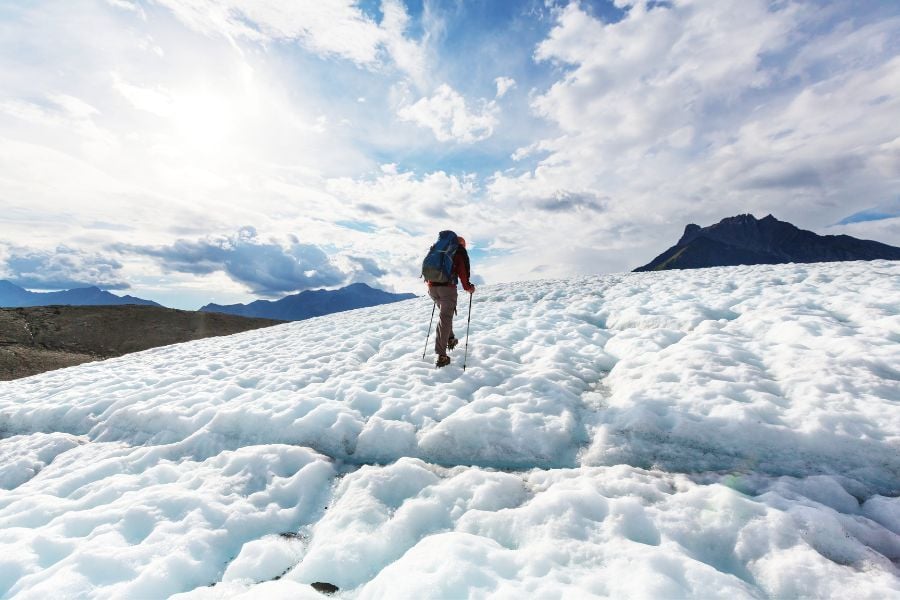 Photo by Kamchatka via Canva.com
Myth #4: Some people still travel by dogsled and live in igloos in Alaska.
Dog sledding is still used in some remote rural areas, but you’ll most likely experience dog sledding via excursions you can pay to participate in or through watching the iconic Iditarod Race.
Visit Anchorage says this about igloos:
"Igloos are not a common sight in Alaska. Igloos were traditionally used by Inuit communities in Arctic regions of Greenland and Canada. Alaska’s Indigenous people built dwellings using materials and methods unique to their surroundings and habitat. To see traditional structures and learn more about Alaska Native cultures, plan a visit to the Alaska Native Heritage Center and the Anchorage Museum."
Myth #5: Watch out, as you might stumble across a polar bear!
While spotting a polar bear in Alaska is technically possible, it's not something you'll encounter near most populated areas. Polar bears inhabit the remote, far north and northwestern coastal regions of the state, including areas along the Arctic Ocean.
The wildlife you'll need to be most concerned with are moose and bears, even on base. Learn more about wildlife safety in Alaska from military families who've lived there.
One feature about Alaska that’s not a myth is the unparalleled natural beauty you’ll be surrounded by. Mountains, glaciers, forests, rivers, and lakes—it’s all here. In fact, many military members and their families love the surroundings and year-round outdoor activities so much that they choose to retire here.
Click the image below to find out more about moving to Alaska. You’ll learn what to pack, how to navigate driving in Alaska, handling wildlife encounters, information about Alaska military bases, ideas for things to do, and so much more!